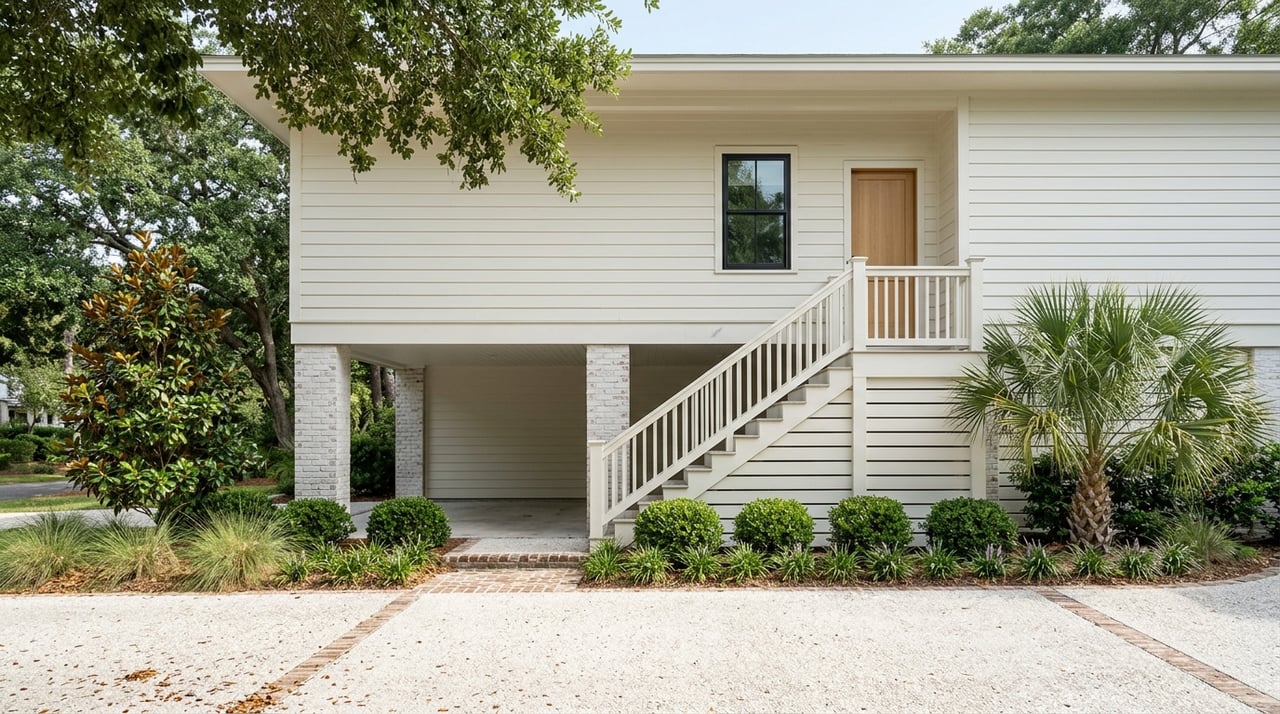
If you want to be near Downtown Charleston and the water, James Island tends to come up for good reason. It offers a more residential island setting than barrier-island living, while still putting you within easy reach of Folly Beach and the city. For many buyers, that balance is the real draw, and it is exactly why James Island deserves a closer look. Let’s dive in.
Why James Island Stands Out
James Island is a primarily residential island community set among Charleston Harbor, the Stono River, and the Folly River. The setting brings marsh views, large trees, and a neighborhood feel that many buyers want when they picture Lowcountry living.
What makes the area especially appealing is its position between two very different lifestyle anchors. You are not buying beachfront living here, but you are close to Folly Beach while also staying connected to Downtown Charleston. That makes James Island a practical middle ground for buyers who want convenience, scenery, and a more rooted residential atmosphere.
James Island vs. Folly Beach
For some buyers, the choice is not really James Island or Charleston. It is James Island versus the idea of living closer to the beach full time. In that comparison, James Island often appeals to people who want beach access without committing to true barrier-island living.
Folly Beach is framed officially as a barrier island minutes from downtown Charleston. James Island, by contrast, is better understood as the more residential alternative nearby. You still have access to the coast, but day-to-day life often feels quieter and more neighborhood-oriented.
Price also plays a role in that decision. Recent market data places James Island broadly in the mid-$600,000 range, while Folly Beach pricing sits much higher, around the low-$1 million range depending on the source and timing. For buyers who want proximity to the beach with a different price point and housing mix, James Island can offer more flexibility.
What Homes on James Island Look Like
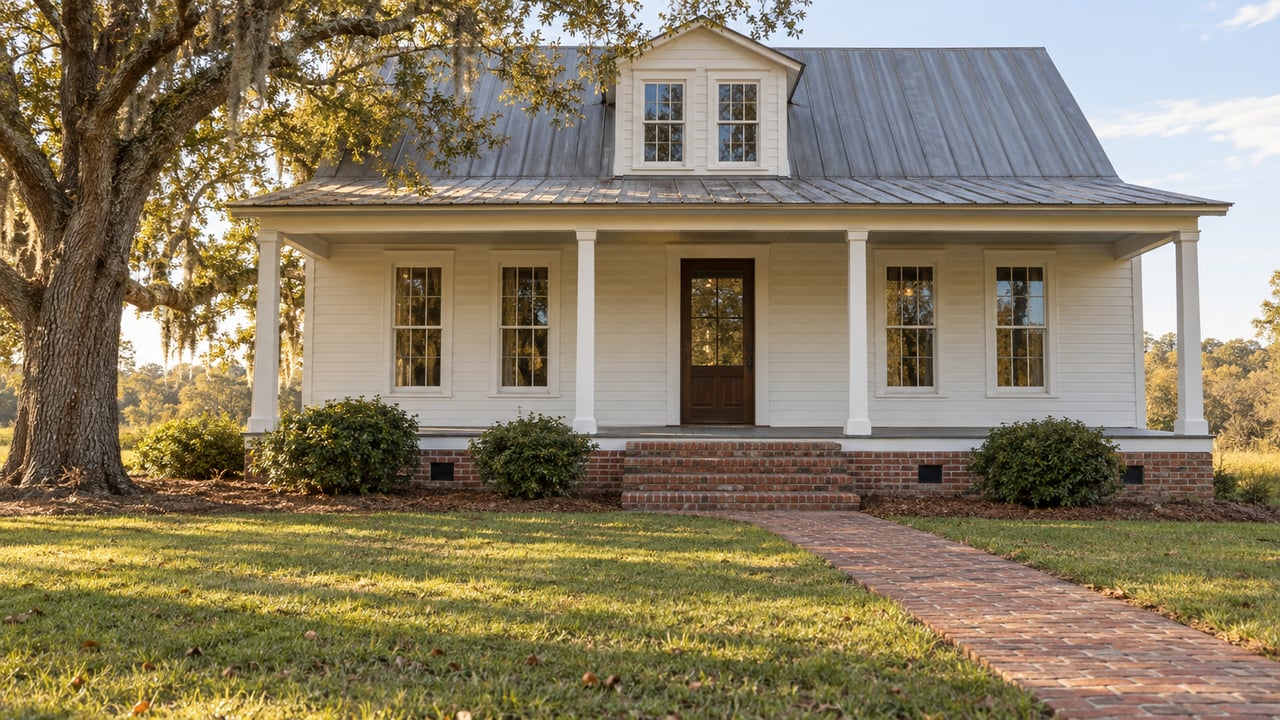
One of the most appealing parts of James Island is that it is not a one-note housing market. You will find a mix of older subdivisions, established neighborhoods, and a range of home styles that reflect the island’s long residential history.
Riverland Terrace is one of the island’s best-known historic neighborhoods. The Town of James Island describes it as one of the first modern planned neighborhoods on the island, originally laid out in the 1920s with curving streets and uniform setbacks. Much of the construction came later, after delays tied to the Depression and World War II.
Charleston County’s historic survey adds useful context to the island’s older housing stock. Bungalow and cottage styles were part of early James Island development, and some mid-century cottages feature brick veneer. For buyers who appreciate character, established streetscapes, and renovation potential, that history matters.
Today, the island also includes a range of price tiers. Some areas offer more attainable inland options, while premium pockets, especially established or water-adjacent areas, can command much higher prices. That variety is one reason James Island works for both full-time residents and buyers looking for a second-home base near Charleston.
James Island Home Prices at a Glance
Market snapshots vary slightly by platform and month, but they point to a similar pricing band overall. Recent reports show median listing prices around $639,499 and $627,499 for the broader James Island and 29412 area, with median sale or sold prices around $597,500 to $615,000.
That broad mid-$600,000 range is helpful as a starting point, but it does not tell the whole story. Riverland Terrace, for example, shows a much higher median listing price of about $1.275 million. The takeaway is simple: James Island includes both mainstream and premium segments, so your exact price point will depend heavily on location, lot, condition, and proximity to the water.
If you are shopping here, it helps to think in layers:
- Entry and mid-range opportunities may appear in inland sections or in condo and townhome inventory
- Established neighborhood premiums often show up in areas with historic character or stronger water adjacency
- Top-tier pricing tends to reflect a combination of lot quality, updates, and lifestyle features
Lifestyle: Parks, Water, and Outdoor Access
James Island’s appeal is not only about location on a map. It is also about how you can spend a regular Tuesday afternoon, a Saturday morning, or a long holiday weekend.
James Island County Park is a major part of that lifestyle. The park spans 643 acres and includes open meadows, paved trails, saltwater fishing and crabbing areas, a dog park, disc golf, a climbing wall, Splash Zone Waterpark, and a campground with 124 sites and 10 vacation cottages.
For many buyers, that kind of everyday access matters just as much as proximity to downtown or the beach. It gives the island a more livable rhythm, especially if you want room to walk, paddle, fish, or simply spend time outside without leaving the neighborhood.
Boat Access on James Island
If being on the water is part of your Lowcountry vision, James Island has another practical advantage: public boat access. Charleston County Parks lists two public landings on James Island, including Battery Island at Sol Legare on the Stono River and Riverland Terrace at Plymouth on Wappoo Creek.
Battery Island Landing offers a public ramp and parking and also serves as a launch point on the Southeast Coast Saltwater Paddling Trail. That can be a meaningful quality-of-life feature if you enjoy boating, kayaking, or fishing and want easy access without owning direct waterfront.
There is one practical note worth remembering. These public landings are self-managed and not staffed at all times, and Charleston County notes that tides and low-tide drop-offs matter. If water access is a major priority for you, it is wise to evaluate how you plan to use these launch points in real life.
Schools and Address-Based Planning
For buyers who are planning around public schools, James Island is an address-specific market. Charleston County School District states that neighborhood school assignments are based on home address, so it is important to verify zoning for any specific property rather than assume a single islandwide pattern.
The district’s James Island neighborhood-schools list includes Harbor View Elementary School, James Island Elementary School, Murray-LaSaine Montessori School, Stiles Point Elementary School, Camp Road Middle School, and James Island Charter High School. James Island Charter High School also notes that it is the zoned high school for James Island and Folly Beach residents and offers the International Baccalaureate Diploma Programme.
For relocation buyers in particular, this is where local guidance can be especially helpful. Two homes on the same island may connect to different elementary campuses, so confirming assignments early can save time and avoid surprises.
Who James Island Fits Best
James Island tends to appeal to buyers who want a blend of access, lifestyle, and residential character. It can work well if you want to stay connected to Charleston’s core while enjoying a setting that feels greener, calmer, and more neighborhood-driven than a beach town.
You may find James Island especially compelling if you are looking for:
- A residential island setting near Downtown Charleston
- Easier access to Folly Beach without living directly on a barrier island
- Historic neighborhood character and varied housing stock
- Public park space, paddling, boating, or outdoor recreation
- A market with both mid-range and premium opportunities
For some buyers, it is the island that makes Charleston living feel sustainable year-round. You get a sense of place and routine, not just a vacation backdrop.
A Smart Way to Approach Your Search
Because James Island has clear submarkets, your home search should be specific from the start. Price range, preferred housing style, water access, and school assignment can all shift dramatically depending on the exact pocket of the island.
That is why it helps to go beyond broad search terms and look at the island neighborhood by neighborhood. A historic cottage in Riverland Terrace offers a very different experience from a newer inland property or a condo or townhome option in another section of 29412.
If you are considering James Island, the goal is not only to find a house. It is to match the right part of the island to the way you want to live, whether that means quick beach runs, room for a renovation vision, or a polished year-round base close to Charleston.
If you are weighing James Island against Folly Beach or another Charleston-area location, a tailored conversation can help you compare lifestyle, pricing, and long-term fit with more clarity. To schedule a private consultation, connect with Georgia Nettles.
FAQs
What is James Island known for in the Charleston area?
- James Island is known as a primarily residential island community near Downtown Charleston and Folly Beach, with marsh views, established neighborhoods, park access, and public boat landings.
How expensive is James Island real estate?
- Recent market reports place James Island broadly in the mid-$600,000 range, though prices vary significantly by neighborhood, property type, condition, and water proximity.
Is James Island cheaper than Folly Beach?
- Based on the research provided, James Island is generally less expensive than Folly Beach, where recent median pricing was around the low-$1 million range.
What types of homes are on James Island?
- James Island includes single-family homes, condo and townhome options, and older neighborhoods with bungalow, cottage, and mid-century influences, especially in historic areas like Riverland Terrace.
What outdoor amenities are available on James Island?
- James Island County Park is a major amenity, offering trails, fishing and crabbing areas, a dog park, disc golf, a climbing wall, Splash Zone Waterpark, and campground accommodations.
How do public school assignments work on James Island?
- Charleston County School District assigns neighborhood schools by home address, so buyers should verify school zoning for any specific property rather than assume the same assignment applies across the island.