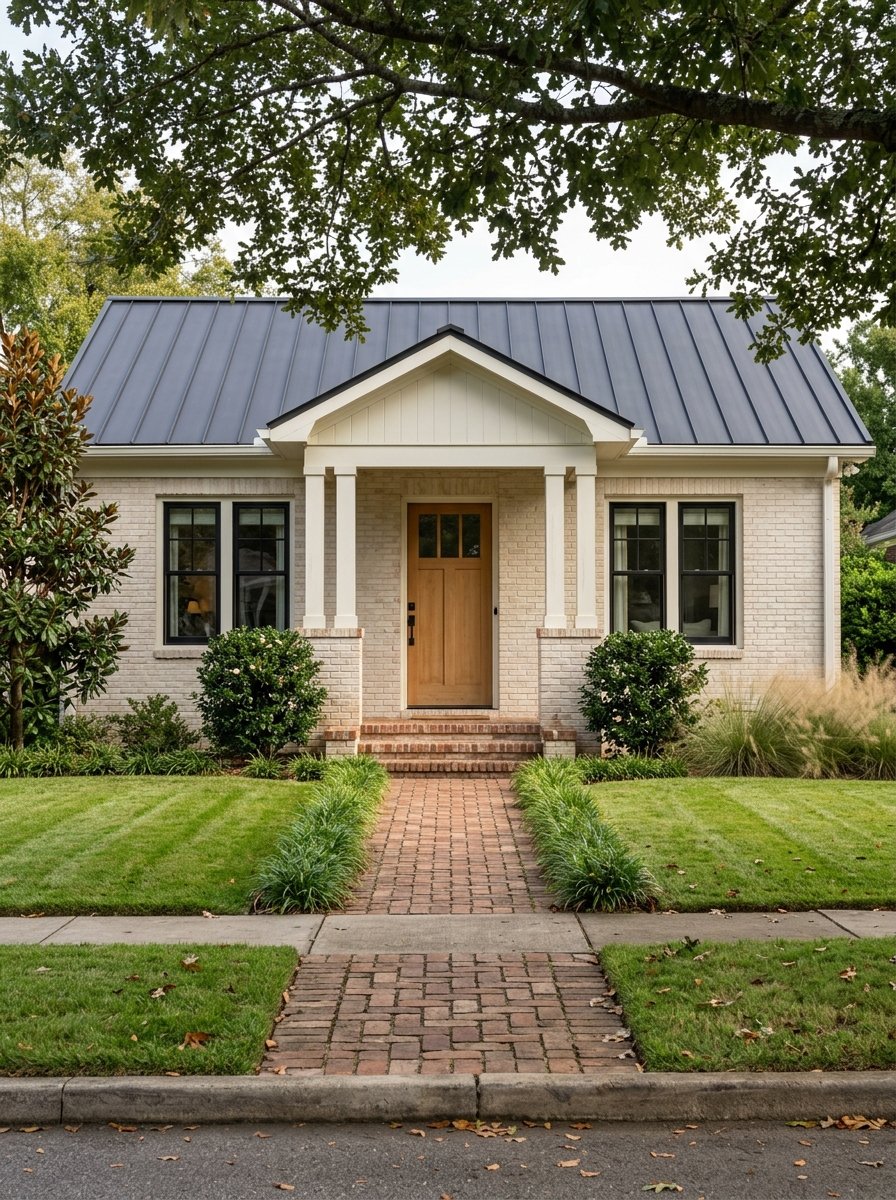
If you are comparing homes inside versus outside I-526 in North Charleston, you are really comparing two different ways of living. One side often brings older streets, established housing, and shorter trips to Park Circle and the riverfront. The other tends to offer more suburban development patterns, larger neighborhood footprints, and daily routines shaped by major road corridors. This guide will help you understand how the divide works, what kind of housing you can expect, and how to decide which side better fits your goals. Let’s dive in.
How I-526 shapes the housing search
In North Charleston, I-526 works more like a practical shorthand than a strict line in the sand. The interstate is a circumferential route and partial beltway around Charleston, but buyers often use it to describe two broad housing patterns rather than two official markets.
Inside the loop usually points you toward Park Circle, Olde North Charleston, the former Navy Base area, the riverfront edge, and nearby infill communities such as Mixson Avenue and Oak Terrace Preserve. Outside the loop usually points you toward Dorchester Road, Ashley Phosphate, Wescott, Rivers Avenue, and growth areas near the airport.
That distinction matters because these areas were shaped by different eras of development. North Charleston’s land-use planning places Park Circle and the former Navy Base redevelopment in the city’s older planning area, while much of the newer residential growth is concentrated farther out.
Inside the loop: older fabric and infill
If you are drawn to older homes and a more established street pattern, the inside-loop side will likely stand out. Park Circle is the clearest example, with roots going back to 1915 as a planned Garden City-style neighborhood.
The city describes this area as having a hub-and-spoke street pattern, an urban grid, traditional lot sizes, and small front setbacks. Much of the surrounding housing was built between 1915 and 1940, and many original homes are still intact.
That physical layout gives the area a distinct feel. In practical terms, it often reads as older, denser, and more walkable than modern subdivision-style development.
Newer housing exists inside the loop too, but it usually appears as infill or redevelopment instead of large-scale tract construction. Around Mixson Avenue, Oak Terrace Preserve, and parts of the riverfront, you will see newer homes and adaptive reuse mixed into an older urban framework.
What buyers often like inside I-526
Buyers who focus on inside-loop North Charleston are often looking for:
- Older architectural character
- Established blocks and smaller setbacks
- Access to Park Circle and East Montague
- A mix of renovated homes, condos, and infill construction
- Shorter drives to the riverfront and downtown Charleston
Outside the loop: suburban patterns and newer growth
Outside I-526, the housing pattern shifts. North Charleston’s planning documents describe Planning Areas 3 and 4 as more suburban, with single-family neighborhoods, townhomes, apartments, and larger developments shaped by road networks.
Wescott Plantation is one of the best-known examples. The city describes it as offering single-family homes, starter homes, townhouses, apartments, and some commercial uses, which speaks to the broader mix available outside the loop.
Along Rivers Avenue, many neighborhoods were established in the 1970s and 1980s. Across the Dorchester and Ashley Phosphate corridors, you will also find newer planned communities and multi-phase development.
This side of the market often feels more road-driven and subdivision-oriented. That does not make it better or worse. It simply means your day-to-day experience may revolve more around major commercial corridors, neighborhood entrances, and driving between destinations.
What buyers often like outside I-526
Outside-loop buyers are often looking for:
- More suburban neighborhood layouts
- A wider range of planned-community housing
- Newer construction opportunities in some corridors
- Mixed housing types within larger developments
- Access to major shopping, employment, and airport-related areas
Price differences are real, but not absolute
Many buyers assume outside the loop automatically means less expensive. Recent March 2026 sale-price snapshots suggest the picture is more nuanced.
Using ZIP codes as practical proxies, the median sale price in 29405 was $374,667. That compares with $330,995 in 29406 and $317,495 in 29418.
In that snapshot, the inner-loop proxy carried a modest premium of about $44,000 over 29406 and about $57,000 over 29418. Still, the loop itself is only part of the story.
Housing type matters just as much. An updated or newer home outside the loop can rival or exceed the price of an older inner-loop property depending on condition, lot size, finishes, and community amenities.
Amenities and daily rhythm
Where you live affects more than the house itself. It also shapes how you run errands, where you spend free time, and what your weekly routine feels like.
Inside the loop, daily life is often anchored by Park Circle, East Montague, and the former Navy Base riverfront. The city describes East Montague as a thriving main street with shops, restaurants, and small offices, while riverfront planning materials note proximity to Park Circle, Riverfront Park, downtown Charleston, and Charleston International Airport.
Outside the loop, the rhythm tends to center on larger commercial corridors and employment hubs. The city’s plan points to Dorchester Road, Ashley Phosphate Road, Ladson Road, Rivers Avenue, Centre Pointe, and the airport corridor as major activity areas.
If you are trying to choose between the two, it helps to think beyond square footage. Ask yourself whether you want daily life tied more closely to an older mixed-use district or to a suburban corridor with broader road access and larger development nodes.
Commute patterns matter on both sides
It is easy to think of this comparison as a simple commute question, but it is more layered than that. I-526 matters on both sides because it functions as a major commuter and economic connector in the Charleston area.
SCDOT is currently widening about 7 miles of I-526 from four lanes to six lanes between Rivers Avenue and Paul Cantrell Boulevard. Corridor studies also identify bottlenecks around the I-26 interchange and nearby segments.
Outside-loop living often relies more heavily on Dorchester Road, Ashley Phosphate, Patriot Boulevard, and Palmetto Commerce Parkway. The city notes that Dorchester Road is heavily traveled and congested during morning and afternoon rush hours, although other routes can provide some relief.
Inside the loop, commute patterns may involve shorter trips to Park Circle, the riverfront, and downtown. That can appeal to buyers who want quicker access to central Charleston destinations, but your actual experience will still depend on where you work and when you travel.
How to decide which side fits you
The best choice usually comes down to how you want your home and surroundings to function. The loop is a helpful reference point, but it should not replace a more detailed look at housing stock, street patterns, renovation needs, and your daily routine.
If you love established blocks, older homes, and a more traditional neighborhood layout, inside the loop may feel more natural. If you want a suburban setting, more planned development, or specific access to outlying commercial and employment areas, outside the loop may be the better fit.
For many buyers, especially those relocating to Charleston, this is where local guidance becomes valuable. A neighborhood that looks ideal on a map can feel very different once you factor in housing age, road patterns, and what you want your weekends and workdays to look like.
Whether you are comparing character, convenience, or long-term value, a thoughtful side-by-side review can save time and sharpen your search. If you want a tailored look at North Charleston options, schedule a private consultation with Georgia Nettles.
FAQs
What does inside I-526 mean for North Charleston housing?
- In practical real estate terms, it usually refers to areas such as Park Circle, Olde North Charleston, the Navy Base area, nearby riverfront districts, and infill communities like Mixson Avenue and Oak Terrace Preserve.
What does outside I-526 mean for North Charleston housing?
- It usually refers to more suburban growth areas tied to corridors such as Dorchester Road, Ashley Phosphate, Rivers Avenue, Wescott, and airport-adjacent development areas.
Are homes inside I-526 in North Charleston older?
- Often, yes. Areas like Park Circle include many homes built between 1915 and 1940, along with later infill and redevelopment.
Are homes outside I-526 in North Charleston always less expensive?
- No. Recent price snapshots show lower median sale prices in 29406 and 29418 than in 29405, but price still depends heavily on condition, lot size, housing type, and amenities.
Which North Charleston areas may feel more walkable?
- Inside-loop areas, especially around Park Circle and East Montague, are more closely associated with older street grids, smaller setbacks, and mixed-use activity.
Which North Charleston areas may have more planned-community housing?
- Outside-loop areas are more commonly associated with suburban neighborhood patterns, larger developments, and a wider mix of planned-community housing types.