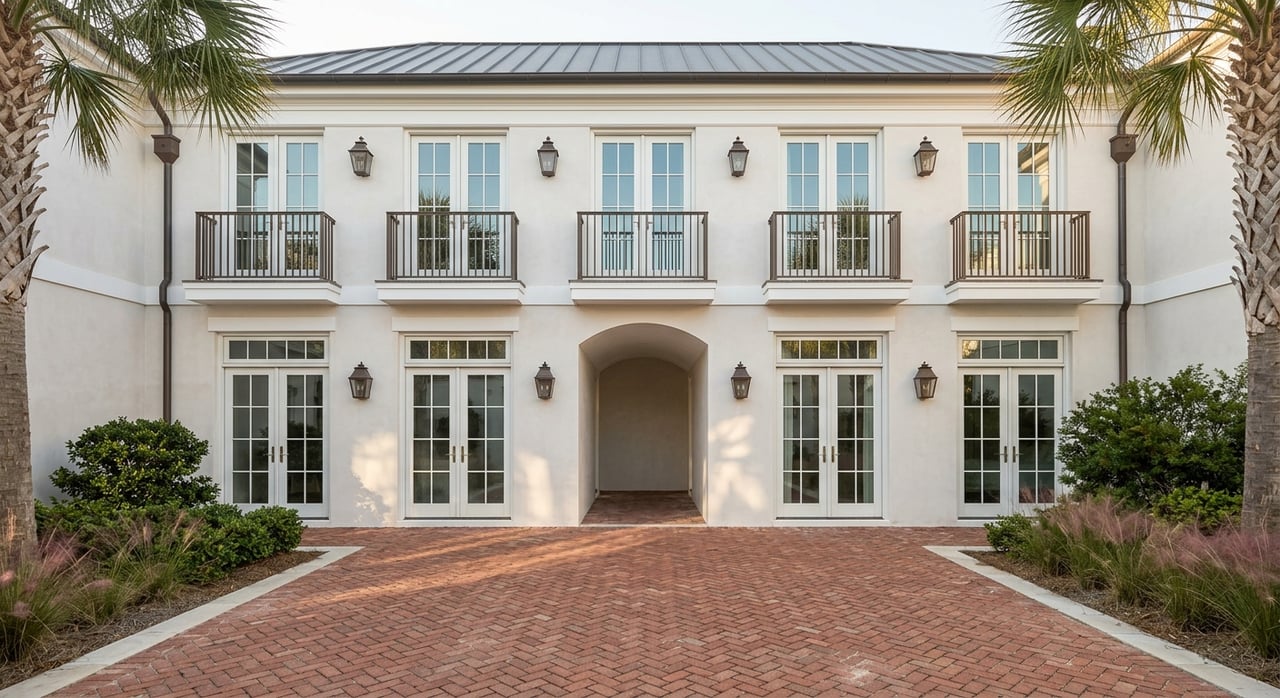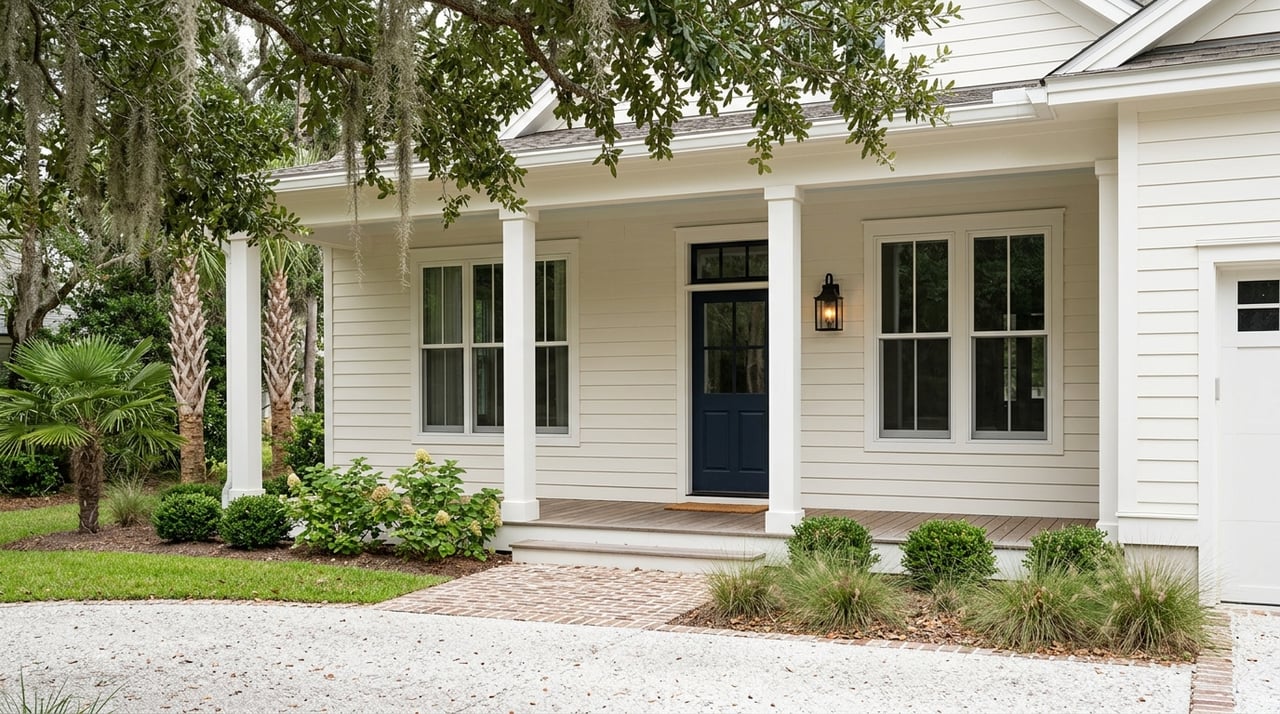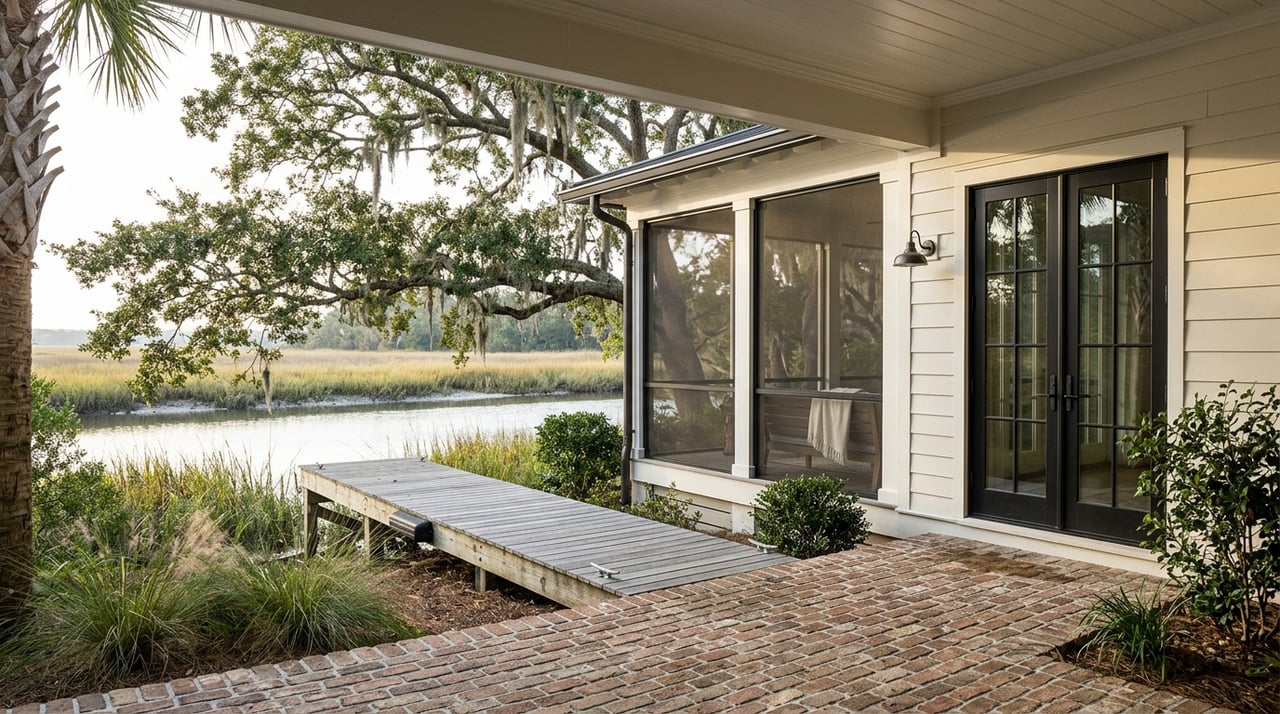
If you are dreaming about a second home on Folly Beach, it helps to know that life here is shaped as much by local rules and coastal conditions as by ocean views. That is especially true if you live out of town, plan to rent the home part of the year, or want a property that feels easy to own from a distance. In this guide, you will get a clear picture of what ownership really looks like on Folly Beach, from property types and taxes to flood planning, parking, and short-term rental rules. Let’s dive in.
Folly Beach has a true seasonal rhythm
Folly Beach is not a year-round resort bubble with the same pace every month. The island changes with the seasons, and that rhythm affects how you use your home, how often you visit, and what day-to-day ownership feels like.
Summer is the busiest stretch of the year, with the most activity on the beach and around town. Fall tends to ease after peak season, while winter is the quieter local season. If you want a second home that feels lively in one season and more relaxed in another, Folly Beach fits that pattern well.
The setting also shapes the appeal. Folly Beach offers about six miles of shoreline, and the island is known for beachgoing, surfing, fishing, biking, and kayaking. For many buyers, that mix is exactly the point of owning here.
Property options are more limited than many buyers expect
Folly Beach is a small barrier island, and the property mix is influenced by zoning and conservation areas. That means inventory can feel narrow, especially if you have a very specific wish list.
Along much of the front beach between the island ends and the central commercial district, the zoning is single-family residential. In those areas, homes range from smaller cottages to much larger estate-style houses. In the center of the island, you will also find higher-density residential uses, including a large condominium and a large hotel.
At either end of the island, there is conservation-zoned land with very limited development. For a second-home buyer, that matters because it can reduce the number of available properties in certain pockets and make each location feel distinct.
Coastal ownership comes with practical realities
A Folly Beach second home can be beautiful and rewarding, but it also requires a practical mindset. This is a flood and erosion market, and that should be part of your planning from the start.
The City of Folly Beach states that the entire city is in a flood hazard area. The city also notes that storm surge from hurricanes is the greatest flood threat. On top of that, the state beachfront management plan describes the shoreline as heavily armored and says erosion has been especially challenging on the northeast end.
This does not mean you should avoid the market. It means you should buy with clear eyes and build your due diligence around flood exposure, insurance, elevation information, and long-term maintenance expectations.
Septic systems matter more than many buyers realize
Most of the island outside the commercial district and certain planned developments uses septic. The state plan also says every developed beachfront property contains a septic tank.
That detail affects ownership in practical ways. The city’s short-term rental process asks for the date of the last septic inspection, and local rules require septic systems to be protected from parking. If you are comparing homes, septic history and layout should be part of your review, not an afterthought.
Beach rules shape everyday use
Part of owning on Folly Beach is learning the local rules that protect the beach and keep use orderly. These rules are simple enough to follow, but they do affect how you host guests and enjoy the property.
The city prohibits alcohol, glass, open fires, fireworks, smoking on the beach, and littering. Dogs are not allowed on the beach from 10 a.m. to 6 p.m. from May 1 through September 30, and dogs are never allowed on the pier.
From May through October, loggerhead sea turtles nest on Folly Beach. During that period, the city restricts lights on the front beach to protect hatchlings. If your second home is oceanfront or near the beach, this is an important part of seasonal ownership.
During summer months, lifeguards provide seasonal coverage at the West End County Park and the central swimming area. That is helpful context if you expect to spend a lot of time on the beach during peak season with visiting family or friends.
Parking is not a small detail
On Folly Beach, parking is part of ownership strategy. It is not just about convenience. It can directly affect how well a property works for you and, if you plan to rent, whether the home supports your intended use.
The city says roadway parking is prohibited and all four tires must be off the road. For buyers, that makes off-street parking worth close attention during showings and due diligence.
If you expect a home to accommodate multiple guests, visiting family, or short-term renters, parking capacity should be reviewed early. A beautiful house with limited legal parking can function very differently from one with a more practical setup.
Taxes usually look different for a second home
One of the biggest budget differences for out-of-market buyers is property tax classification. In South Carolina, a second home is generally taxed at the 6% assessment ratio, while the 4% rate is reserved for a primary legal residence.
Charleston County’s tax estimator repeats that distinction, though the final tax bill still depends on the property’s tax district millage. For many buyers, this is one of the first numbers to verify because it affects carrying costs right away.
If you are comparing Folly Beach to a primary residence purchase elsewhere in the Charleston area, do not assume the tax treatment will be the same. This is one place where a local review can prevent expensive misunderstandings.
Flood insurance should be part of your budget
Standard homeowners insurance does not cover flood damage, according to the City of Folly Beach. The city participates in the National Flood Insurance Program and the Community Rating System, and it notes that CRS participation provides a discount on flood premiums.
The city also notes that NFIP flood policies have a 30-day waiting period. If you are planning ahead for a purchase, insurance timing is just as important as insurance cost.
For a second-home buyer, this is not a side issue. A realistic ownership budget on Folly Beach should include flood insurance as its own line item.
Short-term rental rules are highly specific
If you hope to offset carrying costs by renting the home, Folly Beach’s local rules deserve close attention. The city separates rental use types clearly, and your intended use needs to match both tax status and licensing rules.
Long-term rentals are for stays of 30 days or more. Owner-occupied short-term rentals are for properties at the 4% tax rate with stays of 29 days or less. Investor short-term rentals are for 6% tax-rate properties with stays of 29 days or less.
The city also offers a provisional short-term rental license that can cover up to 90 days after closing when existing bookings are being honored under the South Carolina Vacation Rental Act. That can matter if you are buying a property with reservations already in place.
Investor short-term rental licenses are capped
The investor short-term rental program is capped at 800 licenses, and the city maintains a waitlist. These licenses are non-transferable, which means a new owner generally must apply for a new license rather than assume the seller’s license will continue.
Some zoning districts, including Marsh Island and Conservation, are not currently eligible for any short-term rental license. If rental income is part of your plan, eligibility at the specific address should be confirmed before you move forward.
Operating rules can affect how usable the home feels
The city requires a designated local agent who can physically respond within 60 minutes. If that agent is not the owner, the person must be licensed in South Carolina as an attorney, real estate agent, broker in charge, or property manager.
The application also requires parking documentation and sets occupancy at two people per bedroom plus two additional people per dwelling unit. Septic systems must also be protected from parking.
Short-term rentals may not be advertised or used for fewer than two consecutive nights. Individual rooms may not be rented separately under different contracts at the same time, and a property must be rented at least 28 days per year to keep the rental license active.
Rental costs and deadlines add up
Ownership costs can increase meaningfully if you plan to rent even occasionally. The city’s current fee schedule starts at $245 for owner-occupied or investor short-term rental licenses, with a rental registration permit fee of $17.50 per $1,000 of income. Long-term rental licenses begin at $45.
Renewals are annual and time-sensitive. The city says business license renewals are due by April 30, and registration renewals are due by June 1.
Charleston County also says an annual personal property tax return is due by April 30 for a short-term furnished rental. Newly operating short-term rentals must establish an accommodations-tax account, and the county fee schedule lists the City of Folly Beach at a 2% accommodations fee rate in addition to the county’s own fee structure.
What to check before you buy
For a second-home purchase on Folly Beach, the most valuable due diligence is often very practical. You want to confirm not just whether you love the house, but whether the property supports the way you plan to use it.
Focus on these questions early:
- Is the property in a flood-prone area, and is an elevation certificate or flood insurance quote available?
- Does the septic system have recent inspection history?
- Does the parking layout support your household, guests, or rental plan?
- Is your intended occupancy realistic under local rules?
- If the home has existing short-term rental bookings or licensing history, what will continue after closing and what will not?
- Is the property taxed or expected to be taxed as a 4% primary residence or a 6% non-primary residence?
For out-of-market buyers especially, these details can shape the ownership experience as much as the home itself. A thoughtful purchase here is about matching the property to your lifestyle, budget, and level of hands-on involvement.
Why local guidance matters on Folly Beach
Folly Beach can be an exceptional second-home market for buyers who want a true beach-town retreat near Charleston. It is especially appealing if you value seasonal rhythm, coastal recreation, and a home that feels distinct from a more uniform resort setting.
At the same time, the island asks you to be practical. Flood planning, septic considerations, tax classification, parking, and rental compliance all play a meaningful role in how successful and enjoyable ownership will be.
If you want a second home on Folly Beach, the right guidance can help you evaluate not only the home’s appeal, but also how well it fits your plans over time. If you are considering a purchase and want tailored local insight, Georgia Nettles can help you assess the market, the property, and the details that matter most.
FAQs
What should you expect from second-home ownership on Folly Beach?
- You should expect a true beach-town ownership experience shaped by seasonality, flood planning, local beach rules, parking limits, and careful property due diligence.
What property types are common on Folly Beach for second-home buyers?
- Buyers will mostly see single-family homes along much of the front beach, ranging from cottages to large houses, with some higher-density options in the center of the island.
What tax rate usually applies to a Folly Beach second home?
- A second home in South Carolina is generally taxed at the 6% assessment ratio, while the 4% rate is typically reserved for a primary legal residence.
What should you know about flood insurance for a Folly Beach home?
- Standard homeowners insurance does not cover flood damage, the city participates in the National Flood Insurance Program and Community Rating System, and NFIP policies have a 30-day waiting period.
What should you know about short-term rentals on Folly Beach?
- Short-term rentals are tightly regulated, investor licenses are capped and non-transferable, some zoning districts are ineligible, and licensing, occupancy, parking, and local-agent rules all need to be verified for the specific property.
What due diligence matters most when buying a second home on Folly Beach?
- The highest-value checks include flood exposure, elevation or flood-insurance information, septic inspection history, parking configuration, occupancy limits, and whether your intended rental use is permitted at that address.