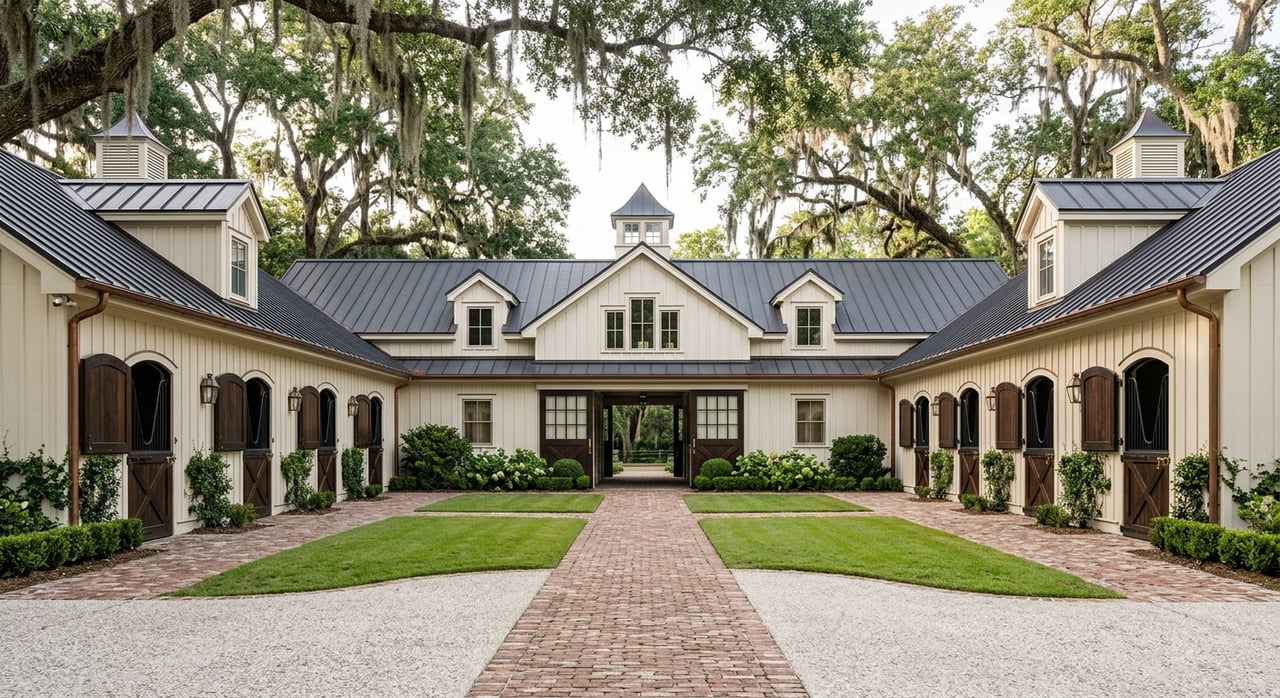
Looking for room to breathe in the Charleston area? Wadmalaw Island stands apart for exactly that reason. If you are drawn to open land, horse property potential, or life on the water, this island offers a very different experience from more built-out parts of the Lowcountry. Understanding how the area is planned and regulated can help you buy or sell with much more confidence. Let’s dive in.
Why Wadmalaw Feels Different
Wadmalaw Island is planned as a low-density agricultural preservation area, not a suburban growth area. Charleston County’s future land use guidance supports farmland, open space, and compatible low-density residential use.
That planning approach shapes what you will actually see on the ground. In many parts of the island, you can expect larger tracts, more privacy, and fewer neighborhood-style development patterns than in other Charleston-area markets.
County planning materials outline residential densities ranging from 1 dwelling per 15 acres to 1 dwelling per 7 acres, with parcels within 1,000 feet of the OCRM Critical Line limited to 1 dwelling per 3 acres. For buyers, that often translates into a landscape defined by acreage and long-term rural character.
Acreage Living on Wadmalaw
If your goal is privacy, flexibility, and space for a more land-oriented lifestyle, Wadmalaw can be especially appealing. The county’s agricultural preservation framework is intended to retain the island’s agricultural land base over time, which supports a setting that feels quieter and less intensified.
Charleston County’s AG-15 zoning district allows 1 principal dwelling unit per 15 acres and sets a minimum lot area of 3 acres. The county also points to tools like flexible site planning, clustered design, and retained open space as appropriate in rural areas.
That matters because not all acreage is created equal. A parcel may look expansive, but what can be built, how it can be divided, and how the homesite is positioned all depend on zoning and site-specific constraints.
Equestrian Potential and Support Uses
Wadmalaw is often part of the conversation when buyers want land that may suit horses or other agricultural uses. One reason is that South Carolina’s agricultural tax guidance includes horses among livestock examples for agricultural purposes.
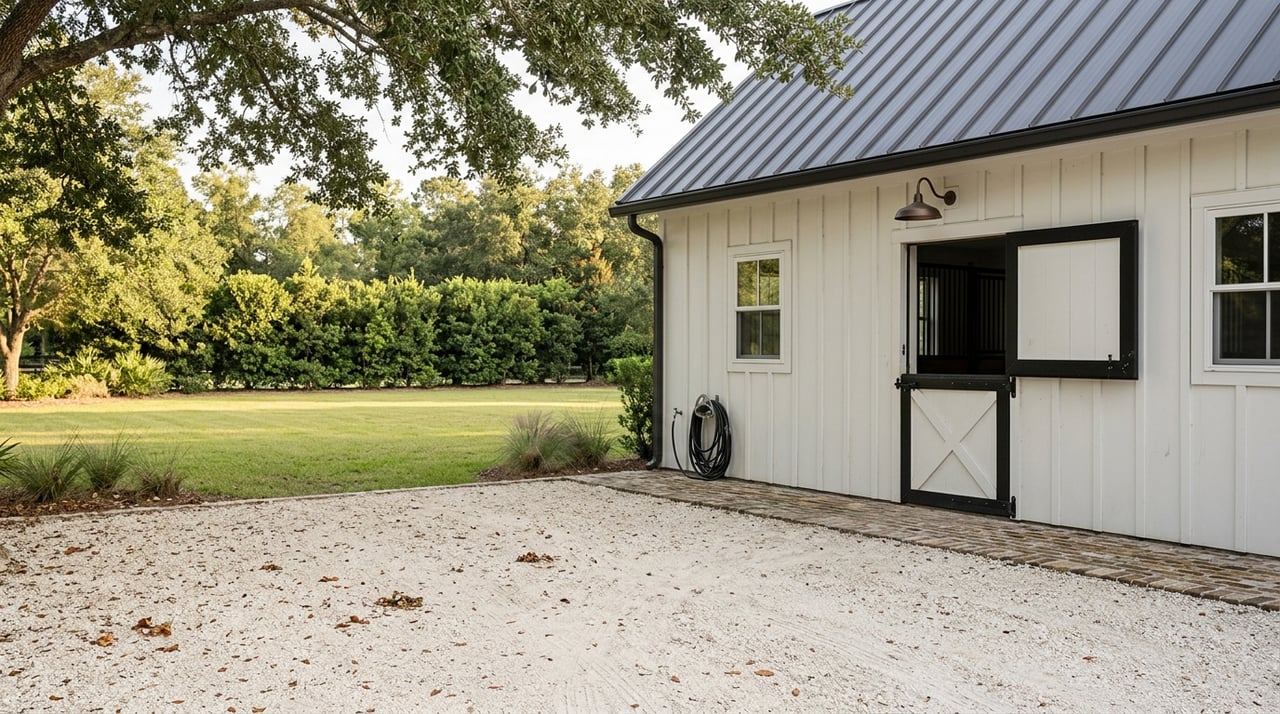
Charleston County also allows accessory structures without a principal structure in agricultural zoning districts. In practical terms, that can make agricultural parcels more workable for support improvements such as barns, tack rooms, and storage buildings, subject to applicable rules and approvals.
For buyers with equestrian goals, the opportunity is often in the flexibility of the land rather than in a one-size-fits-all property type. You will still want to evaluate access, usable ground, drainage, restrictions, and whether the parcel’s current use aligns with your plans.
Agricultural Assessment Questions Matter
If you are considering acreage on Wadmalaw, property tax treatment deserves early attention. Charleston County says non-timberland tracts under 10 acres may qualify for agricultural assessment only if they meet acreage-combination, income, or legacy-use rules.
The county also warns that restrictive subdivision covenants may prevent agricultural assessment. At the same time, land subject to a perpetual conservation easement may still qualify if it otherwise meets the agricultural test.
Another key issue is rollback taxes. Charleston County states that rollback taxes can apply for the year of change and the previous three years if a qualifying agricultural use changes.
For both buyers and sellers, this is not just a paperwork detail. It can affect carrying costs, pricing strategy, and how a property is marketed or evaluated during due diligence.
Waterfront Living Requires More Review
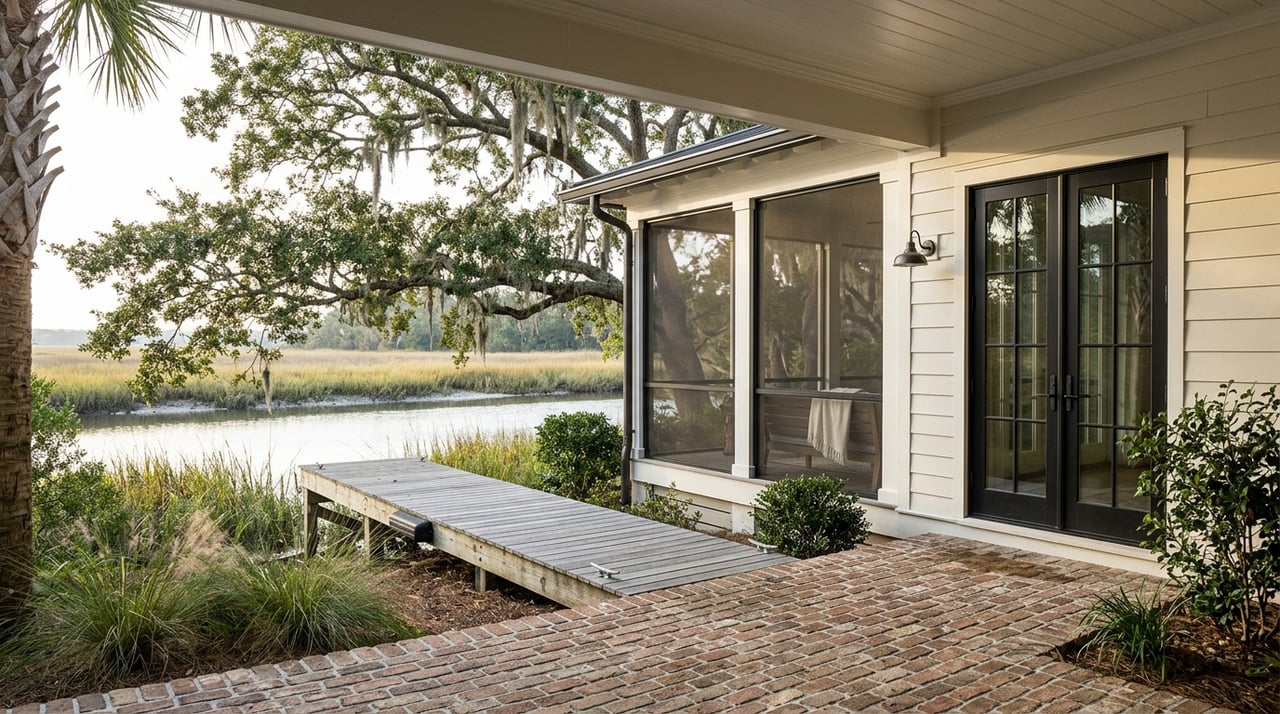
Waterfront property on Wadmalaw can be beautiful and highly compelling, but it also calls for a more careful review process. On this island, a water view and a dockable lot are not the same thing.
South Carolina’s coastal management program says the Bureau of Coastal Management reviews work in coastal critical areas. Future docks, piers, and boat ramps may require either a dock master plan or a direct critical-area permit.
The state defines the critical area line as the boundary between uplands and tidelands or coastal waters. That means the location of that line can directly affect what is possible on a waterfront parcel.
Waterfront Setbacks and Buffers
Charleston County’s AG-15 standards add another layer for waterfront property. These standards include a 50-foot wetland, waterway, and OCRM Critical Line setback, along with a 35-foot buffer.
The zoning standards also include a 30% maximum building cover and a 35-foot height limit. For a buyer or seller, those numbers matter because they can influence house placement, additions, accessory structures, and future site improvements.
This is why waterfront due diligence on Wadmalaw should go beyond aesthetics. A parcel may have stunning natural frontage, but the real question is how setbacks, buffers, and permitting rules shape what you can do with it.
Flood and Septic Due Diligence
Flood review is a routine part of evaluating waterfront and low-lying property. Charleston County points residents to FEMA flood maps for county flood-insurance-rate information, and FEMA’s Flood Map Service Center is the official source for flood hazard mapping products used by the National Flood Insurance Program.
If you are buying land or a rural homesite, wastewater infrastructure is another major item. South Carolina requires a septic permit before construction when a parcel is not served by public or community sewer.
The state also advises buyers to confirm water and sewer availability before purchasing land. On Wadmalaw, where private infrastructure is common, that step is especially important.
Smart Questions to Ask Early
Wadmalaw rewards careful, land-sensitive due diligence. The same features that make the island appealing, such as privacy, water access, and agricultural character, can also create more complex review points.
Before you move forward, it helps to ask a focused set of questions:
- Does the parcel currently qualify for agricultural assessment?
- Would your intended use trigger rollback taxes?
- Are there conservation easements, deed restrictions, or subdivision covenants?
- Is the property near the critical area line or subject to waterfront setbacks and buffers?
- If you hope to add a dock, pier, or boat ramp, what permitting path applies?
- Is the homesite in a mapped flood zone?
- Will the property need septic, and has feasibility been confirmed?
These questions can protect both your budget and your long-term plans. They can also help sellers present a property more clearly to serious buyers.
What Buyers and Sellers Should Keep in Mind
For buyers, Wadmalaw is best approached as a market where lifestyle and land use are closely connected. The right property can offer exceptional privacy, equestrian potential, or waterfront enjoyment, but only if the parcel supports your intended use.
For sellers, clear preparation matters. If you can organize details around zoning, agricultural assessment, waterfront constraints, septic status, and any easements or covenants, you give buyers a stronger basis for confidence.
In a market like Wadmalaw, informed guidance is not a luxury. It is part of making smart decisions about land, value, and long-term use.
If you are considering a purchase or sale on Wadmalaw Island, Georgia Nettles offers thoughtful, local guidance shaped by Lowcountry market knowledge, waterfront experience, and equestrian insight.
FAQs
What makes Wadmalaw Island different from other Charleston-area markets?
- Wadmalaw Island is planned as a low-density agricultural preservation area, which supports farmland, open space, larger parcels, and fewer suburban-style development patterns.
What should buyers know about acreage property on Wadmalaw Island?
- Buyers should review zoning, minimum lot size, allowed density, access, restrictions, and site-specific constraints because a large parcel does not always mean the same building or use potential.
What should equestrian buyers review on Wadmalaw Island?
- Equestrian buyers should look at agricultural zoning, support-building allowances, usable land, drainage, access, restrictions, and whether the property’s current tax and land-use status fits their goals.
What should waterfront buyers confirm on Wadmalaw Island?
- Waterfront buyers should confirm setbacks, buffers, flood mapping, the location of the critical area line, and whether future docks or piers would require state coastal permitting.
What should land buyers know about septic on Wadmalaw Island?
- If a parcel is not served by public or community sewer, South Carolina requires a septic permit before construction, so buyers should confirm wastewater feasibility before closing.
What should sellers prepare before listing Wadmalaw Island property?
- Sellers should be ready to share information about zoning, agricultural assessment, rollback tax risk, septic or sewer status, waterfront constraints, easements, and any deed restrictions or covenants.